WILAYAH NEWS VOICE OF THE GLOBAL AWAKENING


Related Articles
Saturday, 03 January 2026 4:00 PM [ Last Update: Saturday, 03 January 2026 4:00 PM ]
By Dina Y. Sulaeman
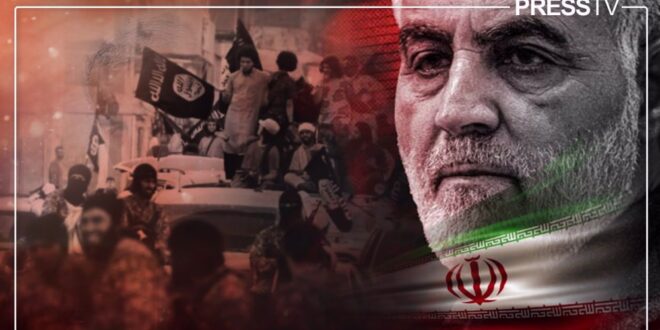
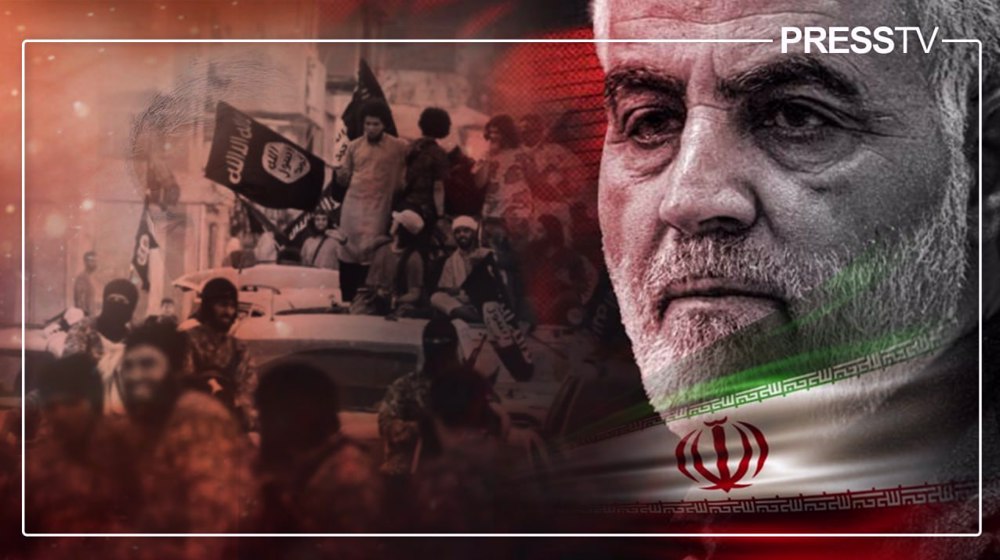
This week marks the sixth anniversary of the martyrdom of General Qassem Soleimani, a pivotal figure in the contemporary West Asia (Middle East) and a steadfast defender of the region’s security and sovereignty.
More than a celebrated military commander, General Soleimani was a brilliant strategist, instrumental in curbing the spread of chaos, particularly in countering the rise of Takfiri extremist and terrorist groups.
His assassination was not merely the loss of a key anti-terror figure but also exposed a striking paradox at the heart of the Western narrative on the so-called “war on terror.”
For Iran and its allies, involvement in Syria was never a project of territorial or ideological expansion, but a strategic effort to prevent regional disintegration fueled by the rise of Takfiri terrorist groups.
These extremist militia groups operated with the support of — and in the interests of — the United States and the Israeli regime.
General Soleimani consistently emphasized that Syria represented the “front line of resistance” against forces capable of undermining regional peace and stability.
In his view, the fall of Syria would not only devastate the Arab country itself but also open the door to far-reaching chaos across West Asia. It was within this context that General Soleimani helped build what is today known as the Axis of Resistance — a political, military, and social network linking Iran, Iraq, Syria, Lebanon, and Palestine.
The objective was never the expansion of Iranian political or ideological influence, but the establishment of a defensive line against terrorist groups exploiting sectarian divisions to widen their reach, acting on behalf of external powers who thrive on regional destabilization.
A look into the life of Martyr Lieutenant General Qassem Soleimani and his role as a chief strategist of a multi-national front against global arrogance.
Follow: https://t.co/LWoNSpkJSh pic.twitter.com/C8LhRh7pxO
— Press TV 🔻 (@PressTV) January 2, 2026