WILAYAH NEWS VOICE OF THE GLOBAL AWAKENING



Related Articles

There is relative calm on some fronts, but it is neither strategic calm nor peace.
The temporary agreement has effectively collapsed, and the 60-day deadline expired without a new agreement, while Washington says that no negotiations are currently scheduled.
More importantly, current indicators point toward the possibility of another round of escalation:
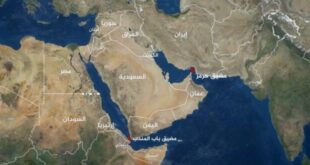
- Iran has threatened to shift to a “fully offensive” posture if diplomacy fails, particularly regarding the Strait of Hormuz.
- Trump is applying economic pressure and threatening to escalate efforts to control Hormuz, while there are currently no publicly announced direct negotiations.
- Tanker traffic through Hormuz remains disrupted, and oil prices have risen to their highest levels since July, suggesting that the markets do not consider the crisis over.
- Reports have emerged that Iran is preparing options to target U.S. interests and military bases outside the Middle East if the conflict expands. If confirmed, this would be an extremely dangerous development.
Should we expect a major war?
Yes, the possibility of a major round of fighting exists, but I do not believe that a full-scale war is the only scenario, or even an inevitable one.
In my assessment, there are three most likely scenarios:
1. Limited escalation followed by negotiations — approximately 45%
Reciprocal strikes, attacks on bases or ships, pressure on the Strait of Hormuz, followed by intervention by mediators such as Oman or Pakistan to reopen a channel for negotiations.
2. A major military confrontation — approximately 40%
If the United States attempts to impose a solution by force in Hormuz or launches major attacks against Iranian targets, Iran could respond with extensive strikes against U.S. bases and maritime interests in the region. At that point, events could escalate rapidly and become difficult to contain.
3. A broad regional war — approximately 15%
This would be the most dangerous scenario: direct involvement by Israel or Gulf states, expansion of attacks into Iraq, Syria, and Yemen, and a large-scale effective closure of Hormuz. The economic and military costs would be enormous for everyone.