WILAYAH NEWS VOICE OF THE GLOBAL AWAKENING



Related Articles


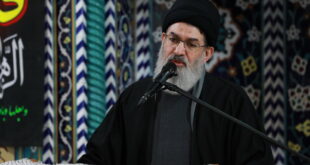
A senior Indian religious scholar has described the Leader of Iran’s Islamic Revolution, Ayatollah Sayyed Ali Khamenei, as a symbol of hope for the oppressed across the Muslim world and a genuine defender of their rights.
Hawzah News Agency– Hojatoleslam Naqi Mehdi Zaidi, the Friday prayer leader of Taragarh in India, made the remarks during his Friday sermon while addressing recent regional and international developments. He said Ayatollah Khamenei is not only the guide of the Iranian nation, but also a prominent figure of religious knowledge, jurisprudence, and moral leadership for Muslims worldwide.
Zaidi emphasized that millions of Shia Muslims in India regard the Iranian leader as an intellectual, ethical, and political authority. He stated that any insult directed at Ayatollah Khamenei amounts to an affront to Shia beliefs and religious values, stressing that threats against his life are unacceptable and contradict religious and moral principles.
Referring to the broader responsibilities of the Muslim community, the Indian cleric said that the most important duty at present is to pray for the health and protection of the Leader of the Islamic Revolution, the dignity of Islam, and the victory of the banner of monotheism. He added that supplications should also include prayers for the hastening of the reappearance of Imam Mahdi (may God hasten his reappearance).
Virtues of the Month of Sha’ban
In another part of his sermon, Zaidi addressed the spiritual significance of the Islamic month of Sha’ban, describing it as a month of blessings, forgiveness, and righteous deeds. He said fasting during Sha’ban brings believers closer to divine mercy and serves as spiritual protection.
Citing narrations from Imam Jafar al-Sadiq (peace be upon him), Zaidi noted that Muslims are encouraged to invite their families and communities to observe fasting during this month. He also recalled traditions stating that the Prophet Muhammad (peace be upon him and his family) would encourage the people of Medina to fast upon the sighting of the crescent of Sha’ban.
The Indian scholar explained that the name “Sha’ban” is derived from the Arabic root meaning “branching,” symbolizing the expansion and multiplication of good deeds and blessings during the month. He stressed that acts of worship and charity in Sha’ban grow in reward, much like the branches of a flourishing tree.
Zaidi concluded his sermon by urging Muslims to take advantage of the spiritual opportunities offered by Sha’ban through prayer, fasting, and acts of kindness, describing the month as a gateway to divine mercy and moral renewal.